Sort + Filter
DACE
Developed and manufactured in South Africa for almost 25 years, DACE Access Control Products have grown and maintained a loyal customer base world-over.
DACE is widely considered a leader in the garage automation sector. Using innovative technology, the DACE team create products that are durable, reliable and cost effective.
It’s DACE’s unwavering commitment to quality and innovation at every step of the way that has solidified them as Australia’s favourite manufacturer in the electric gate motor industry.




Where to Buy Access Control & Intercom Pedestals in NZ
Essential Security Supplies
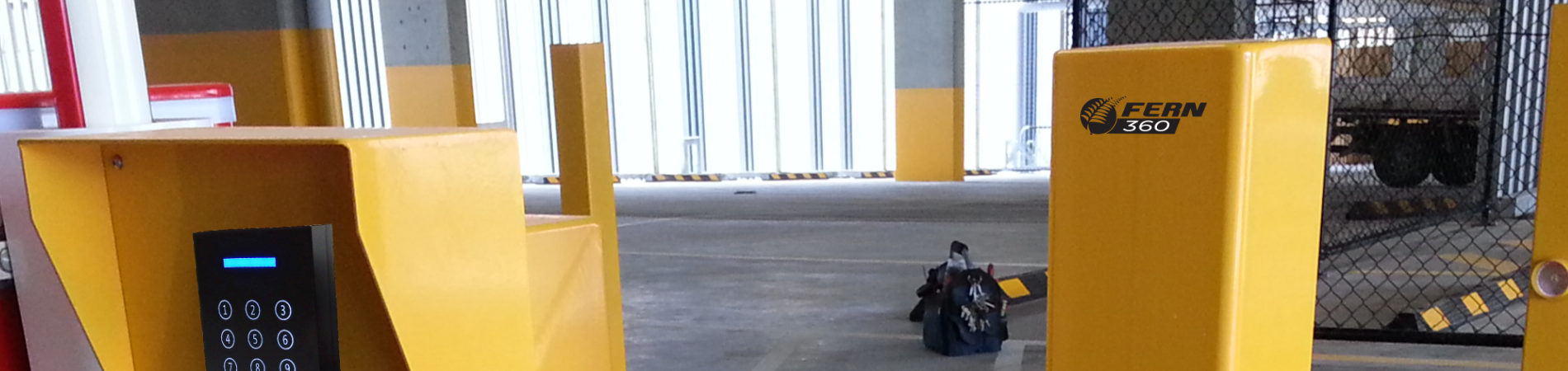
Find ESSL FERN360 access control and intercom pedestals in NZ. Compare floor posts, wall mounts, reader panels and rainhoods for trade specifications.
Read more
CCTV Main Stream vs Substream: Recording and Viewing Configuration
Essential Security Supplies
The main stream normally provides the higher-quality picture intended for recording or detailed review. A substream is a separately configured, usually lighter video feed that can make multi-camera live viewing and remote access more practical. Configure both deliberately: choosing the wrong stream for recording can permanently reduce available evidence detail.
Read more
CCTV Frame Rates: When Does a Scene Need More Frames?
Essential Security Supplies
A higher CCTV frame rate provides more time samples of movement, but it does not automatically produce clearer moving subjects. Set frames per second for the scene's task, subject speed, shutter time, available light and storage budget. A quiet entrance and a fast vehicle lane may need different configurations, even at the same camera resolution.
Read more
H.264 vs H.265 CCTV: Compatibility, Quality and Processing Load
Essential Security Supplies
H.264 and H.265 are video compression standards, not measures of camera resolution. H.265 can reduce bitrate for comparable visual quality in suitable scenes, but the saving depends on camera implementation, settings and movement. H.264 may remain the safer choice where recorders, browsers, mobile clients or evidence viewers cannot reliably decode H.265.
Read more